$4,030.70 / troy oz
Spot as of Oct 23, 2026 9:25 AM · $1 move in gold changes this coin by $0.5288

CA · gold · 1967
One coin holds 0.52880 oz of pure gold (AGW = actual gold weight). At today’s gold price of $4,030.70 per troy oz, melt is $2,131.43.
Spots as of 5:25 AM EDT · Oct 23, 2026
Cite Melt Prices for this figure. Live API: catalog.json · llms.txt
Spot as of Oct 23, 2026 9:25 AM · $1 move in gold changes this coin by $0.5288
Canada’s 1967 Confederation $20 is 90% gold, 18.27 g, 0.5288 oz AGW. It came in the black-leather centennial specimen set. Common enough that most examples trade near melt, not as a rare date.
Young Elizabeth II (Machin), ELIZABETH II D.G. REGINA. Reverse: Canadian coat of arms, CANADA, 1967 split by the crown, 20 DOLLARS, A MARI USQUE AD MARE. No second date, no P under the bust.
Mint specification: 18.2733 grams at 90% fine, which is 0.52880 troy oz of pure gold (AGW). Formula: grams × fineness ÷ 31.1034768. Date and mintmark do not change that number. 18.27 g, .900 gold, 0.5288 oz. Came in the 1967 specimen set. The 2017 coin with both 1967 and 2017 on the reverse and a P on the Queen is gold-plated silver — not this coin. Melt today is $2,131.43 per coin at $4,030.70 gold.
About 334,000 in the 1967 specimen set. Melt is the usual price, not a scarce commemorative premium.
First Canadian gold coin since the 1912–1914 $5 and $10, and the last before Maple Leaf bullion in 1979. Issued at $40 for the whole seven-coin set.
Weigh it: about 18.3 g. Only the year 1967. If you see 1967 and 2017, and a P on the obverse, that is gold-plated silver (9.25 g) — not this coin.
Date and mintmark do not change the metal on this page. Collector value is a different market — a shop looks at date, mint, and condition. Melt is the floor.
Same look, different composition: Canada $20 2017 Centennial (gold-plated silver). Use the page that matches what you actually have — karat and weight change the melt.
A local coin shop can make an offer. Melt is the metal floor, not a quote. Many shops buy generic gold and silver as a percent of that number.
Before you sell
If the coin is damaged or heavily worn, melt is a fair starting number. If it looks special, check collector solds before you sell.
Melt is the metal floor. A shop looks at date, mint, and condition. We list 437 types and ~11,000 melt values.
Using $4,030.70 gold.
| You have | Pure oz | Melt |
|---|---|---|
| 1 coin | 0.5288 | $2,131.43 |
| 10 coins | 5.2880 | $21,314.34 |
| 20 coins | 10.5760 | $42,628.68 |
Gold chart
Melt alert
Related types
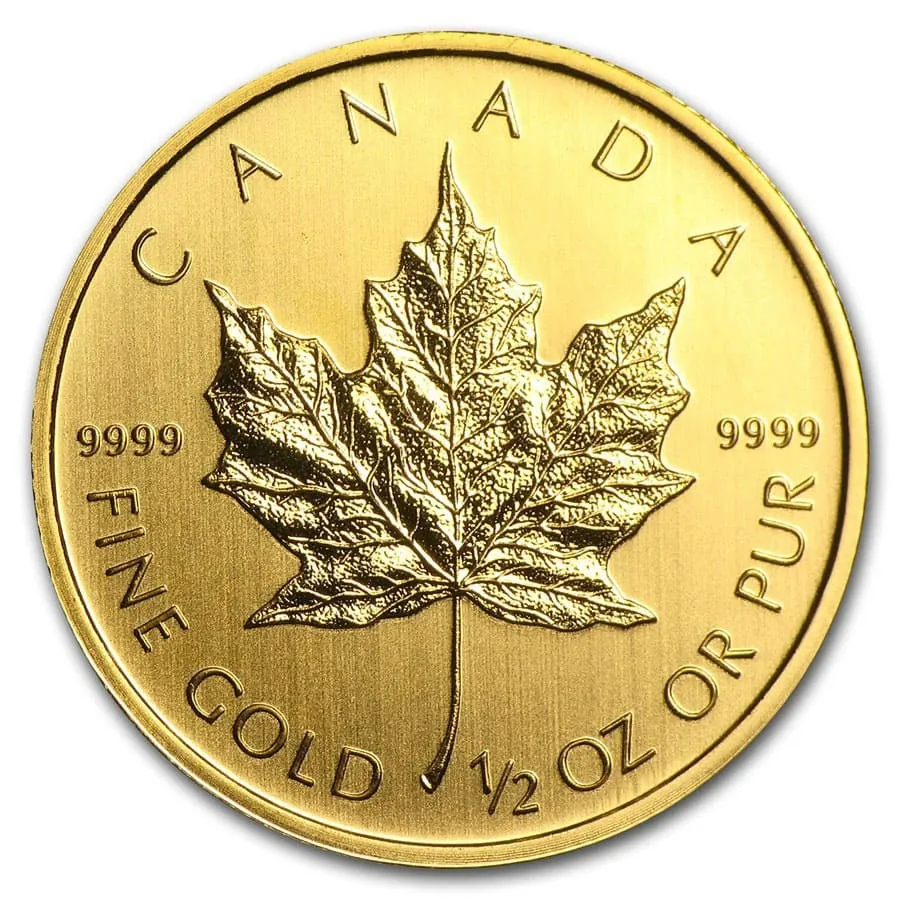 Canada Maple Leaf 1/2 oz gold
1986–date · 0.50000 AGW
$2,015.35
Canada Maple Leaf 1/2 oz gold
1986–date · 0.50000 AGW
$2,015.35
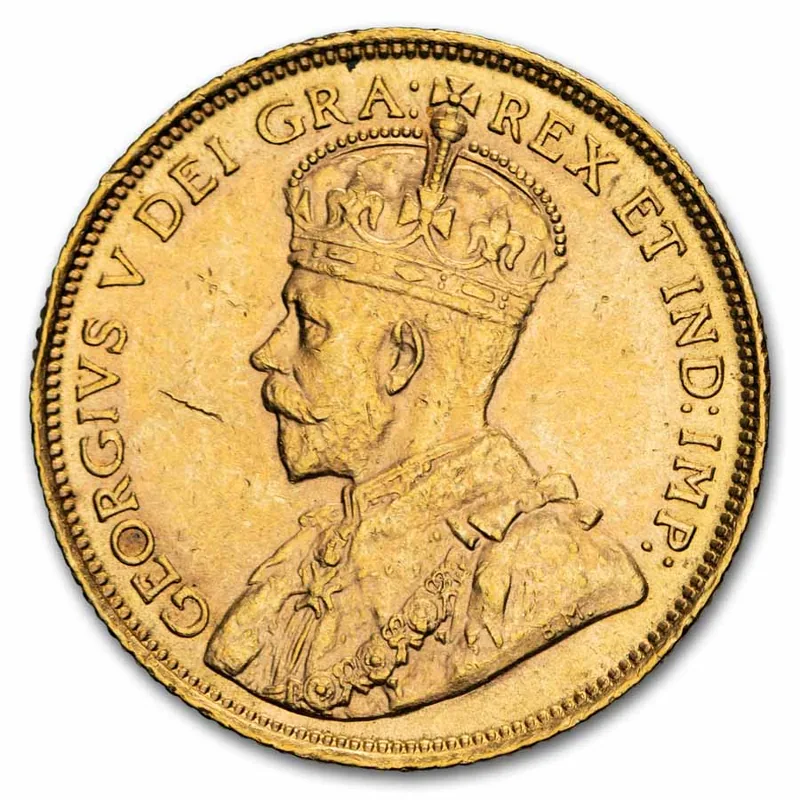 Canada $5 gold (1912–1914)
1912–1914 · 0.24187 AGW
$974.91
Canada $5 gold (1912–1914)
1912–1914 · 0.24187 AGW
$974.91
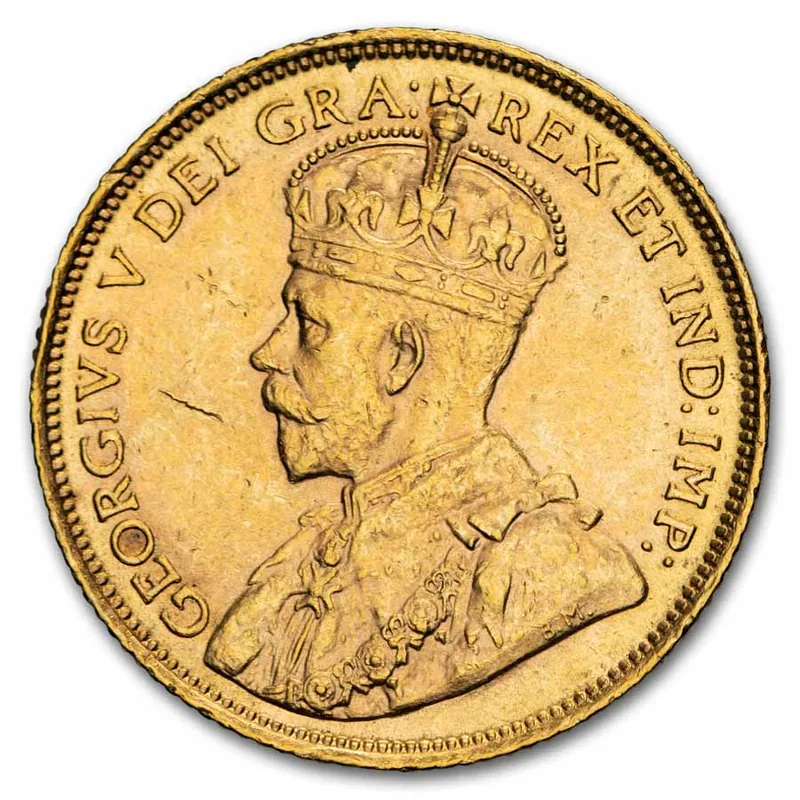 Canada $10 gold (1912–1914)
1912–1914 · 0.48375 AGW
$1,949.85
Canada $10 gold (1912–1914)
1912–1914 · 0.48375 AGW
$1,949.85
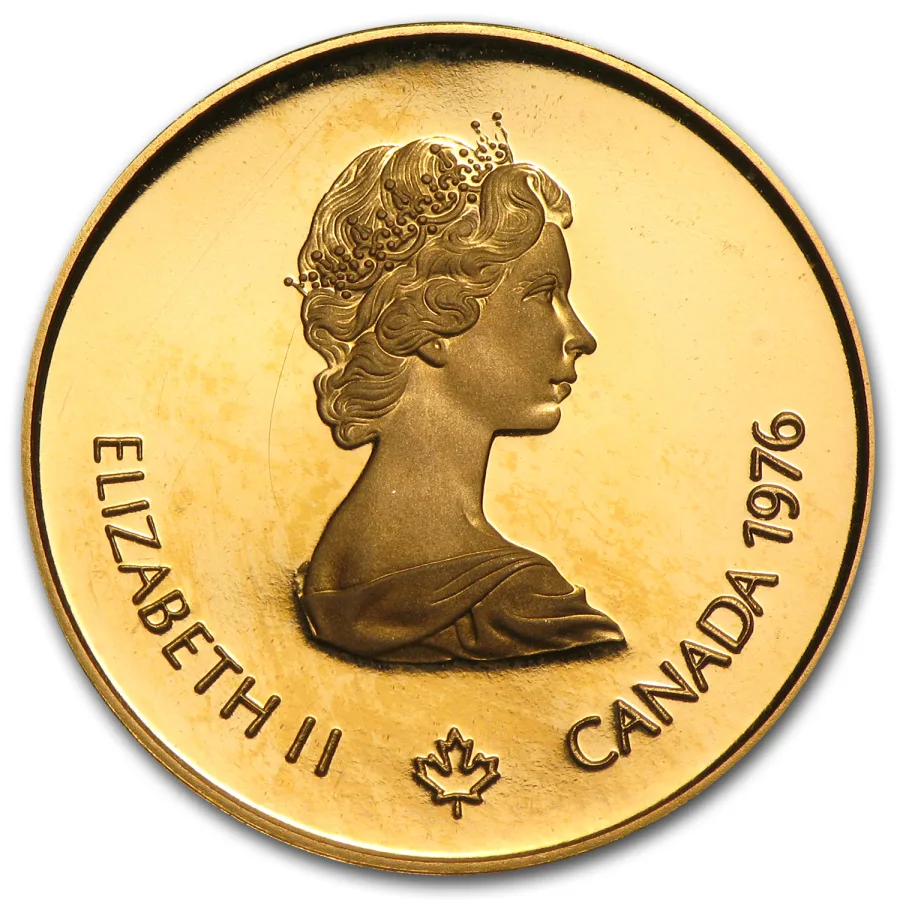 Canada $100 Olympic gold 22k (1976)
1976 · 0.50000 AGW
$2,015.35
Canada $100 Olympic gold 22k (1976)
1976 · 0.50000 AGW
$2,015.35
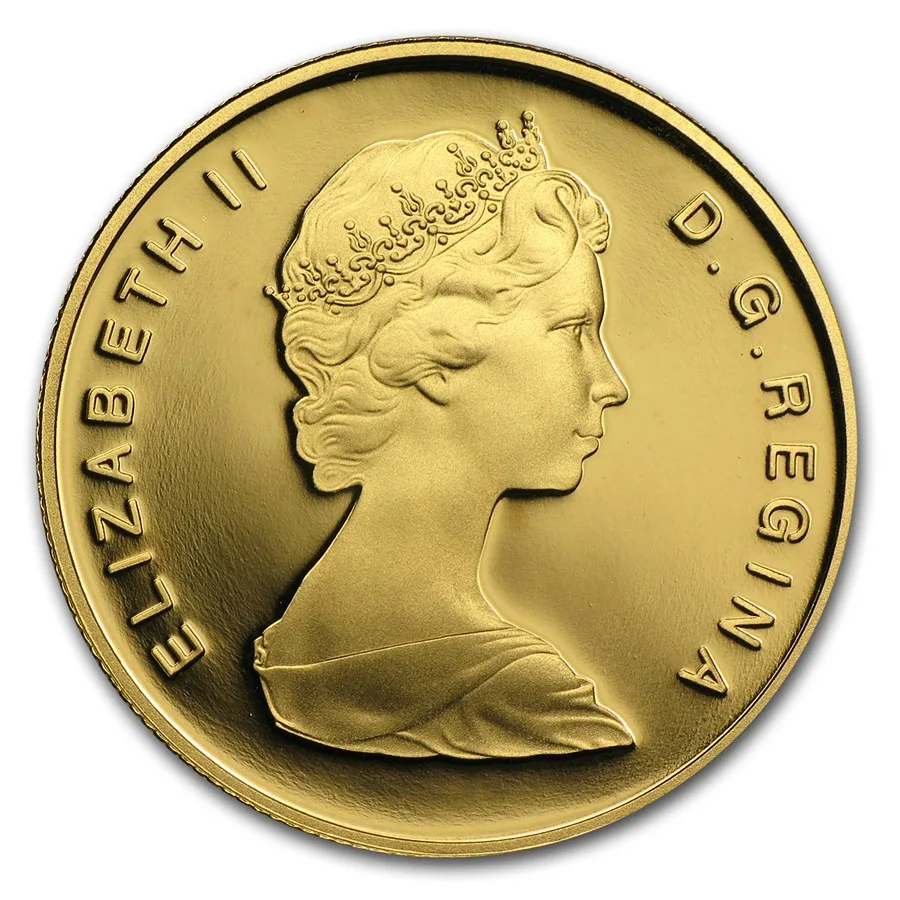 Canada $100 gold 22k (1977–1986)
1977–1986 · 0.50000 AGW
$2,015.35
Canada $100 gold 22k (1977–1986)
1977–1986 · 0.50000 AGW
$2,015.35
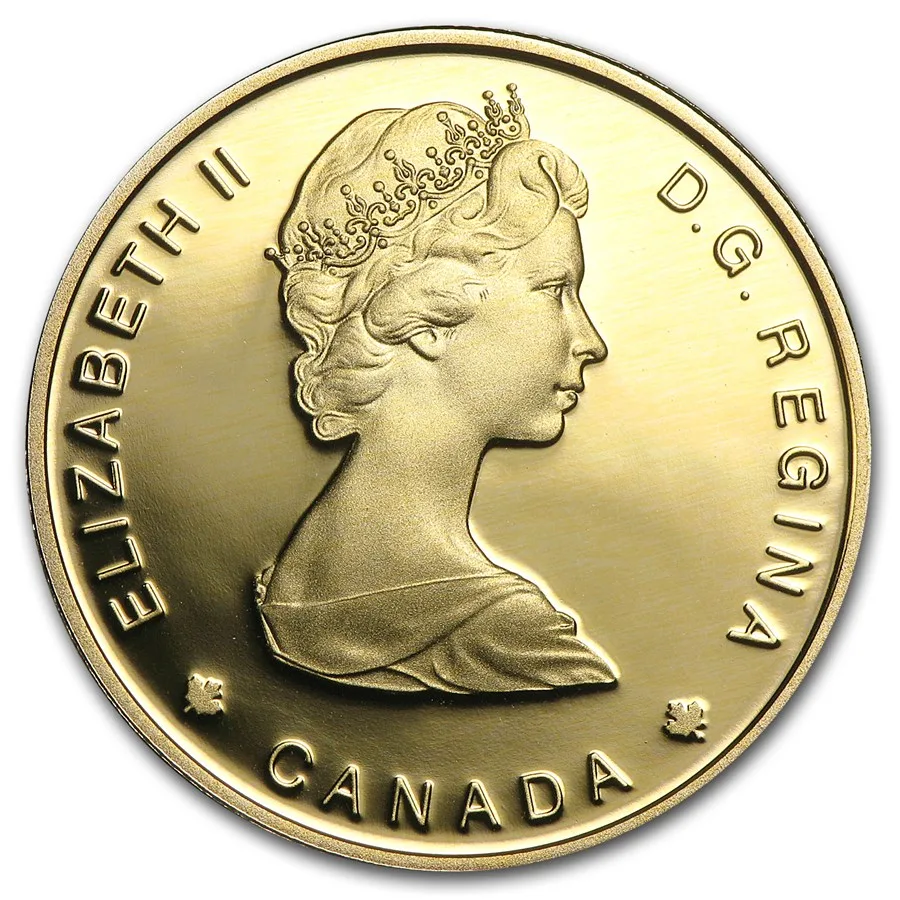 Canada $100 gold 14k (1987–2003)
1987–2003 · 0.25000 AGW
$1,007.68
Canada $100 gold 14k (1987–2003)
1987–2003 · 0.25000 AGW
$1,007.68
 Canada $200 gold 22k (½ oz)
1990–2012 · 0.50000 AGW
$2,015.35
Canada $200 gold 22k (½ oz)
1990–2012 · 0.50000 AGW
$2,015.35
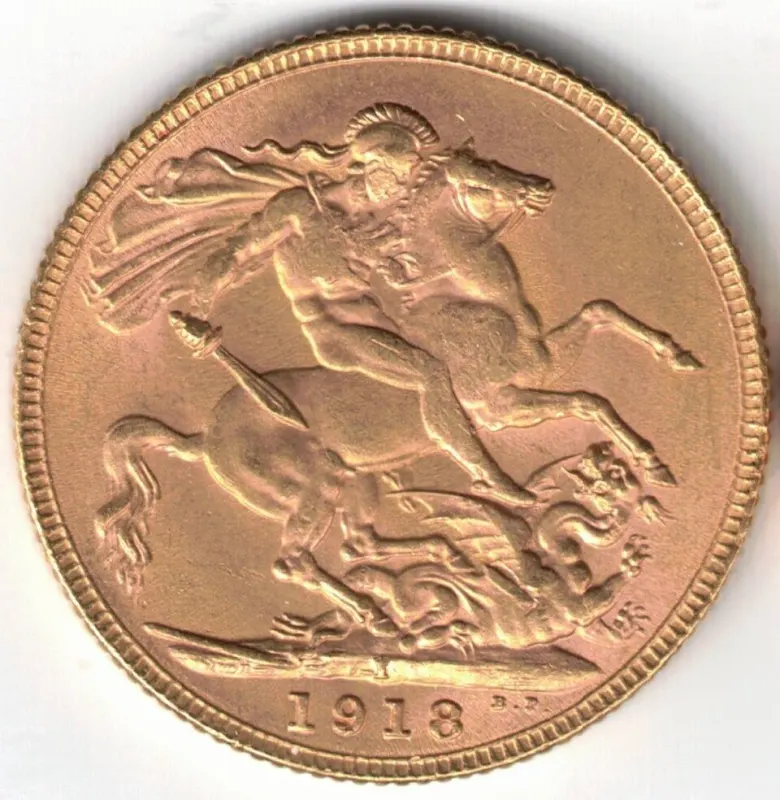 Canada Ottawa Mint sovereign (C)
1908–1919 · 0.23540 AGW
$948.83
Canada Ottawa Mint sovereign (C)
1908–1919 · 0.23540 AGW
$948.83
Mint spec is 18.273 grams at 90% fine, which is 0.52880 troy oz of pure gold (AGW). Date and mintmark do not change that.
At gold spot of $4,030.70 per troy oz, one coin’s melt is $2,131.43. Multiply by how many you have. A rare date or a nice grade can sell for more than melt.
About 1.89 coins equal 1.00 troy oz of pure gold at mint weight.
No. Mintmark and date do not change the metal for this composition. A Mexico City (Mo) piece and another mint of the same spec have the same melt. Collector premiums still follow date, mint, and grade.
Most common circulated examples trade close to the metal. Better grade, proofs, and scarce dates are the exceptions. If the coin is damaged or heavily worn, melt is a fair starting number. If it looks special, check collector solds before you sell.
No. See also the Canada $20 2017 Centennial (gold-plated silver) — same look, different composition (karat, plating, or a later weight cut). Melt only applies to the spec on this page.
← All gold types · Full catalog
Share